
Where Coffee Begins
IndianOrigins
Five distinct growing regions. Centuries of cultivation. Every farm a story, every harvest a commitment to the origin.
The Farms of India
Karnataka
India's Oldest Coffee Belt
900 – 1,700m · Tropical Monsoon
Karnataka accounts for 70% of India's coffee production. From the mist-wrapped Baba Budan hills where Sufi saint Baba Budan first smuggled seven beans from Yemen in the 17th century, to the estate valleys of Coorg — this is where Indian coffee found its soul.
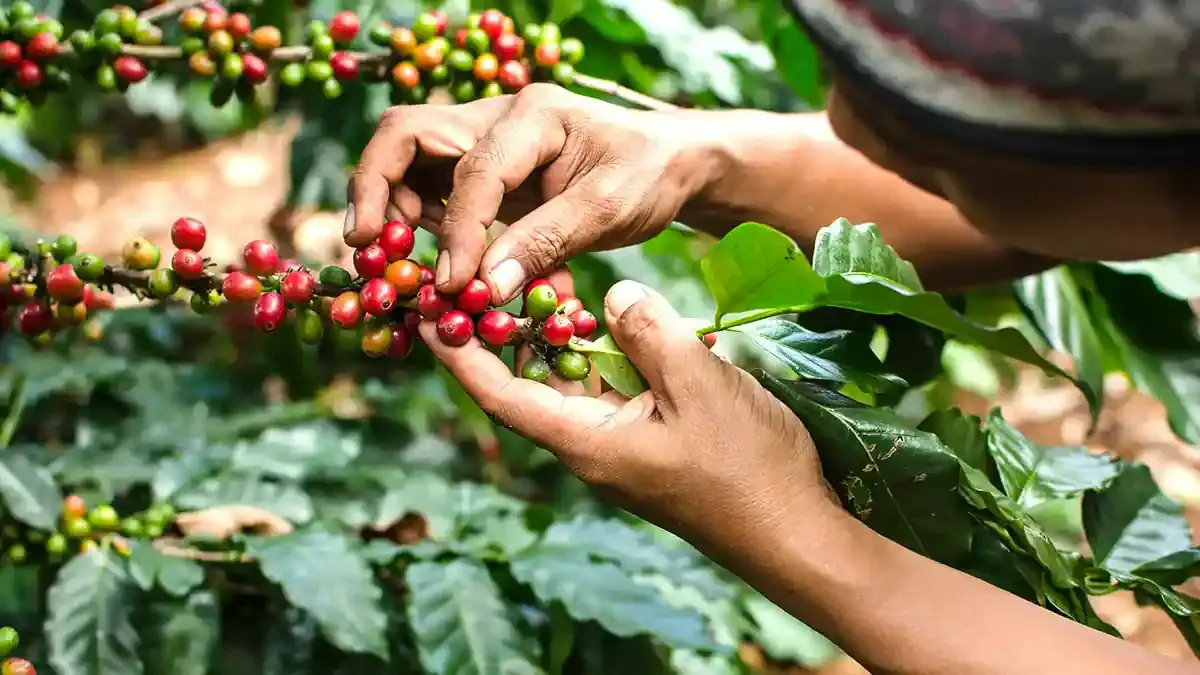
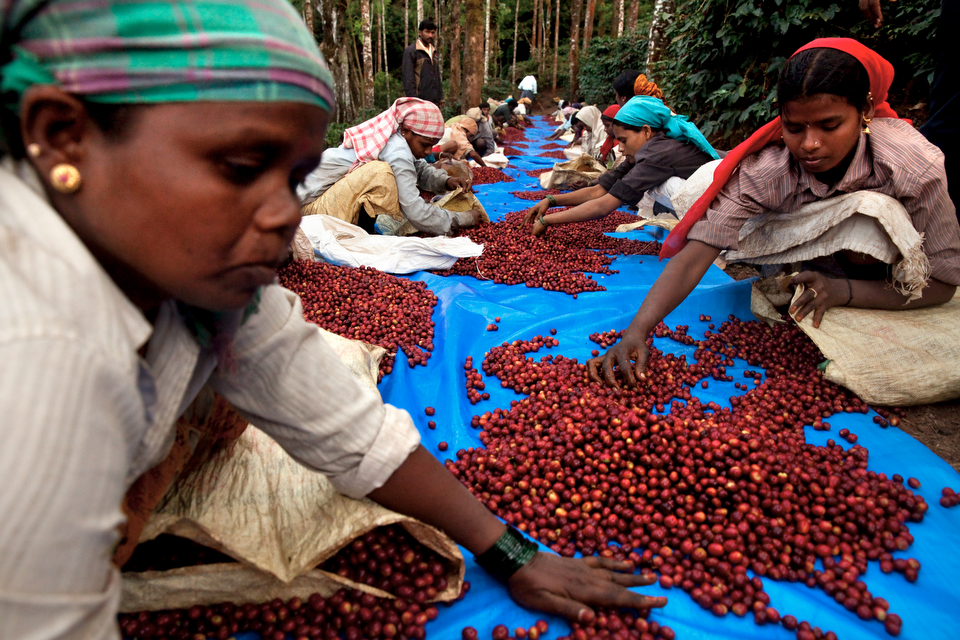
Honey · Natural · Washed
Chikmagalur
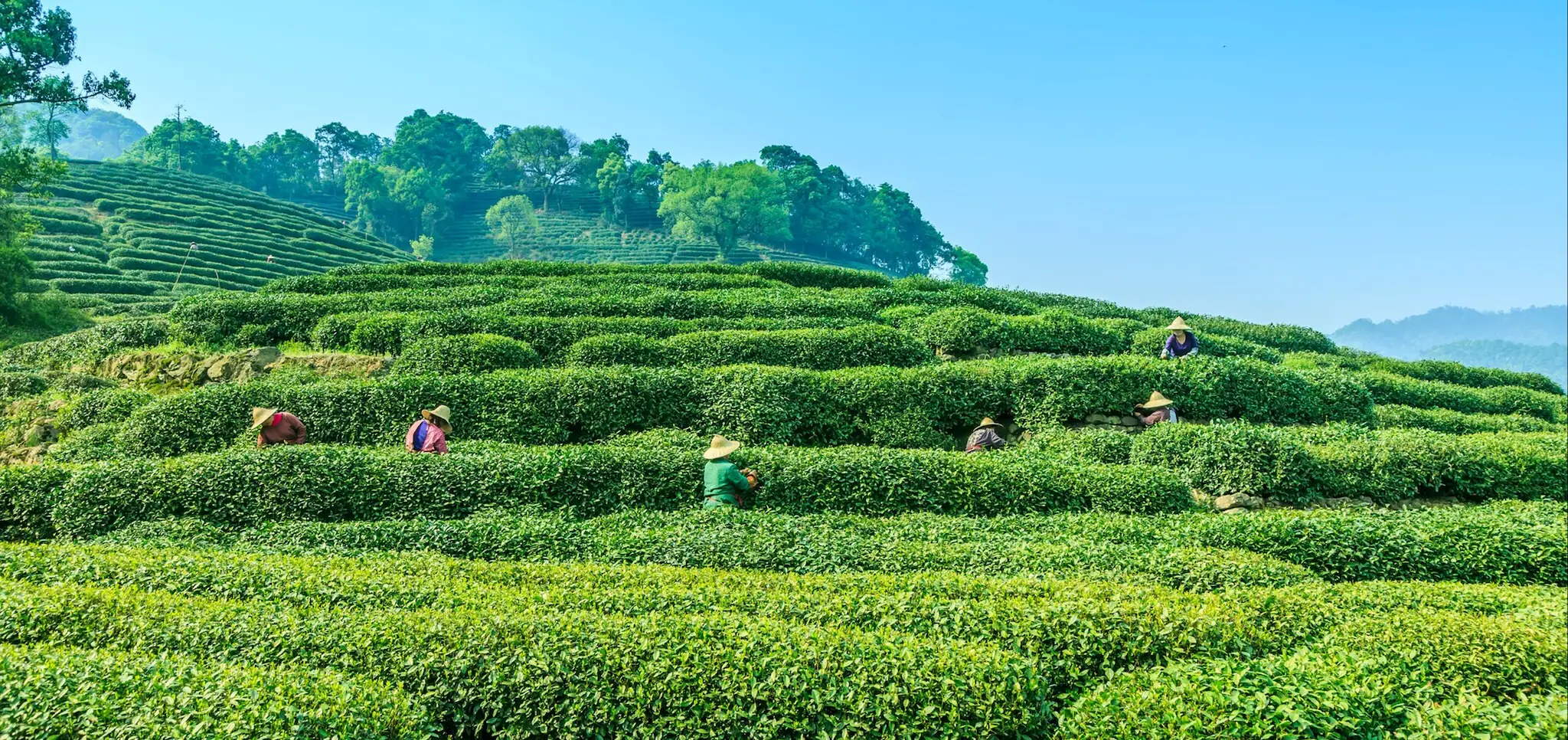
India's most celebrated origin. Grown in the Baba Budan Giri range under native forest shade. The altitude, the laterite soil, and the monsoon winds conspire to produce exceptional complexity.
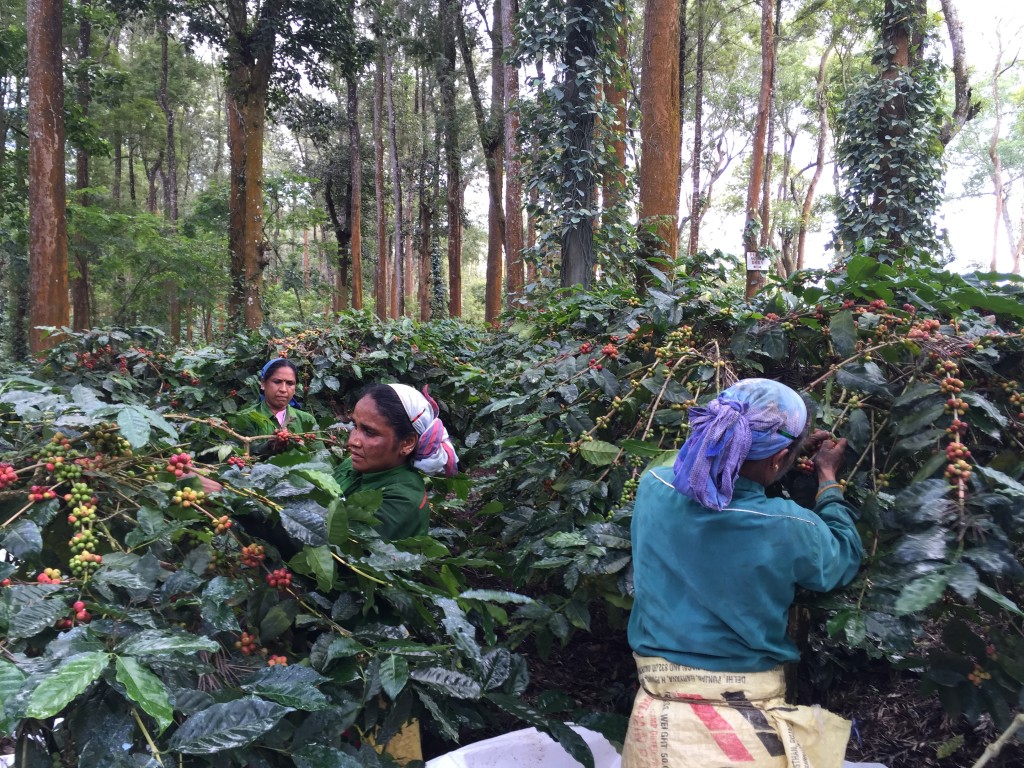
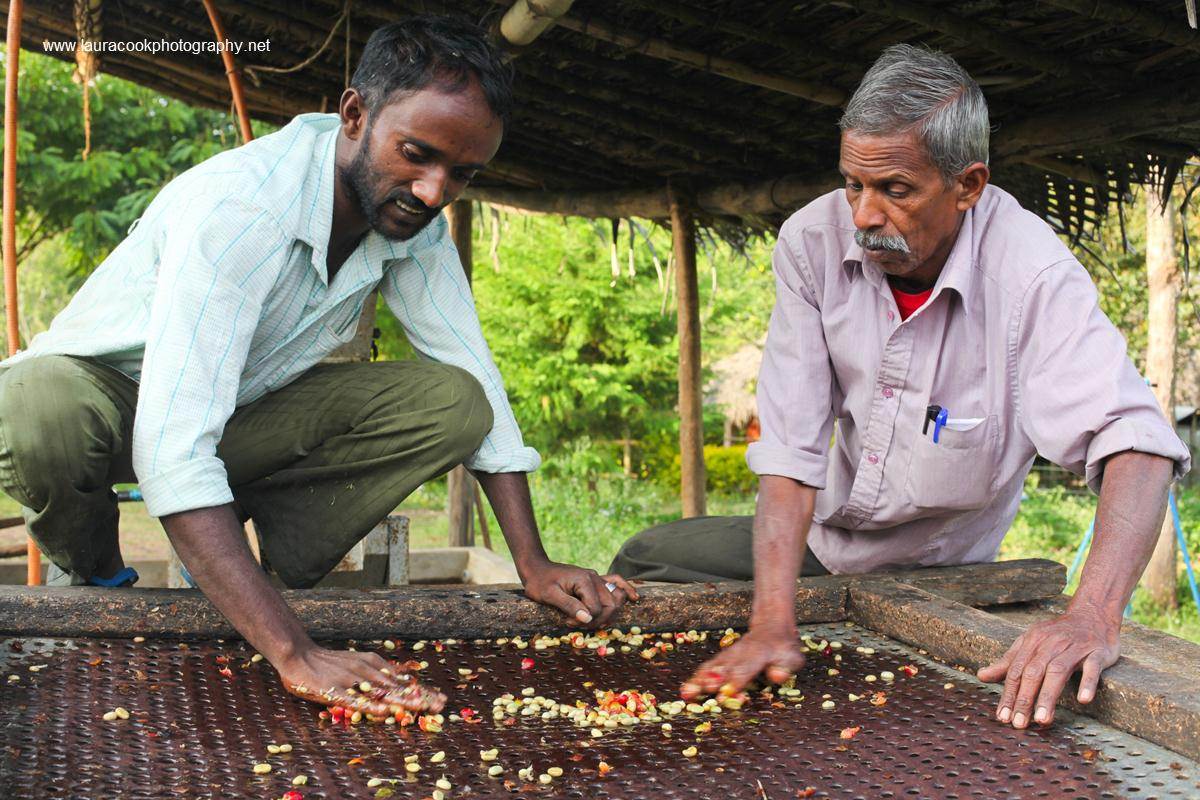
Washed · Honey
Coorg
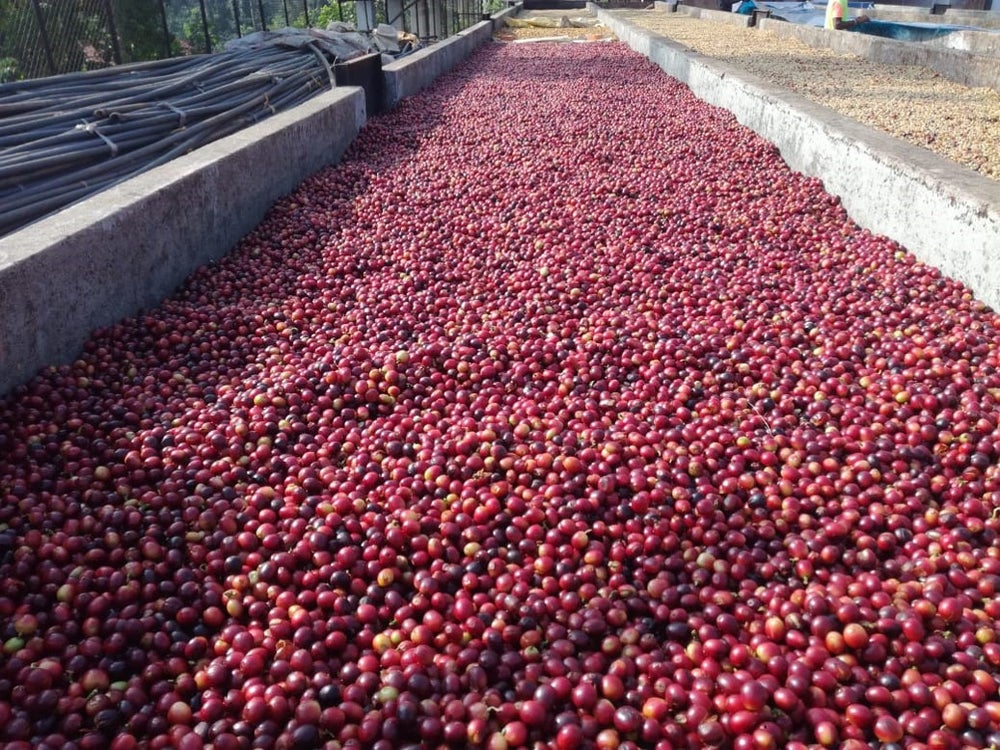
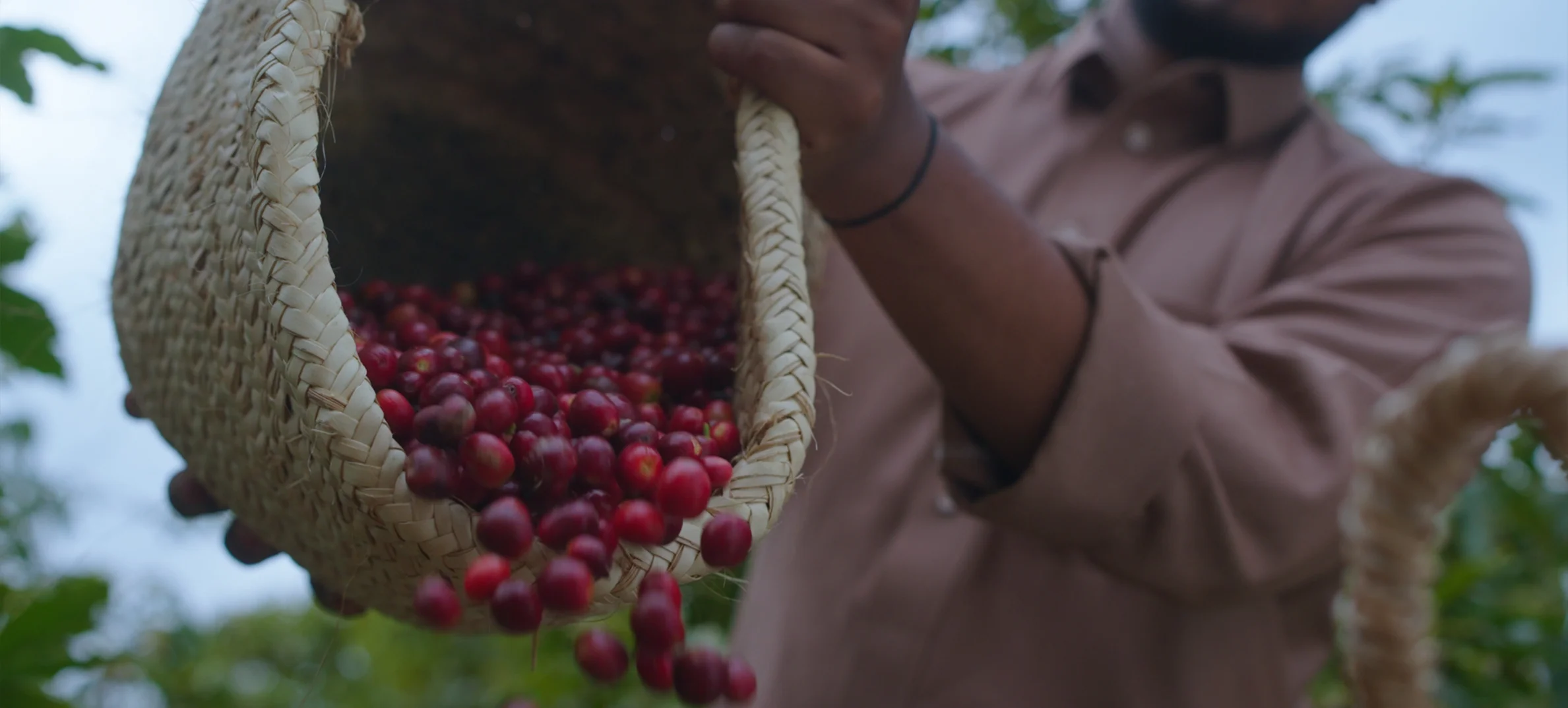
The Scotland of India. Grown under silver oak and pepper vines by Kodava families who have farmed these hills for generations. Balanced, consistent, and reliably delightful.
Monsooned
Monsoon Malabar
A process unique to India. Green beans are exposed to the monsoon winds of the Malabar coast for 12–16 weeks, swelling them to twice their size and producing a coffee of unparalleled low-acid intensity. The taste of the Indian ocean in your cup.
Andhra Pradesh
Tribal Organic Farming
900 – 1,100m · Eastern Ghats
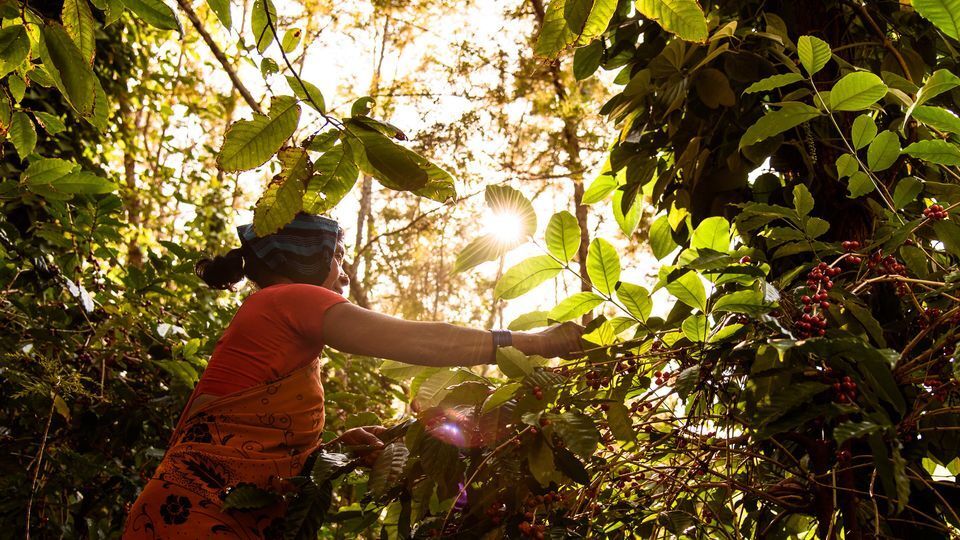
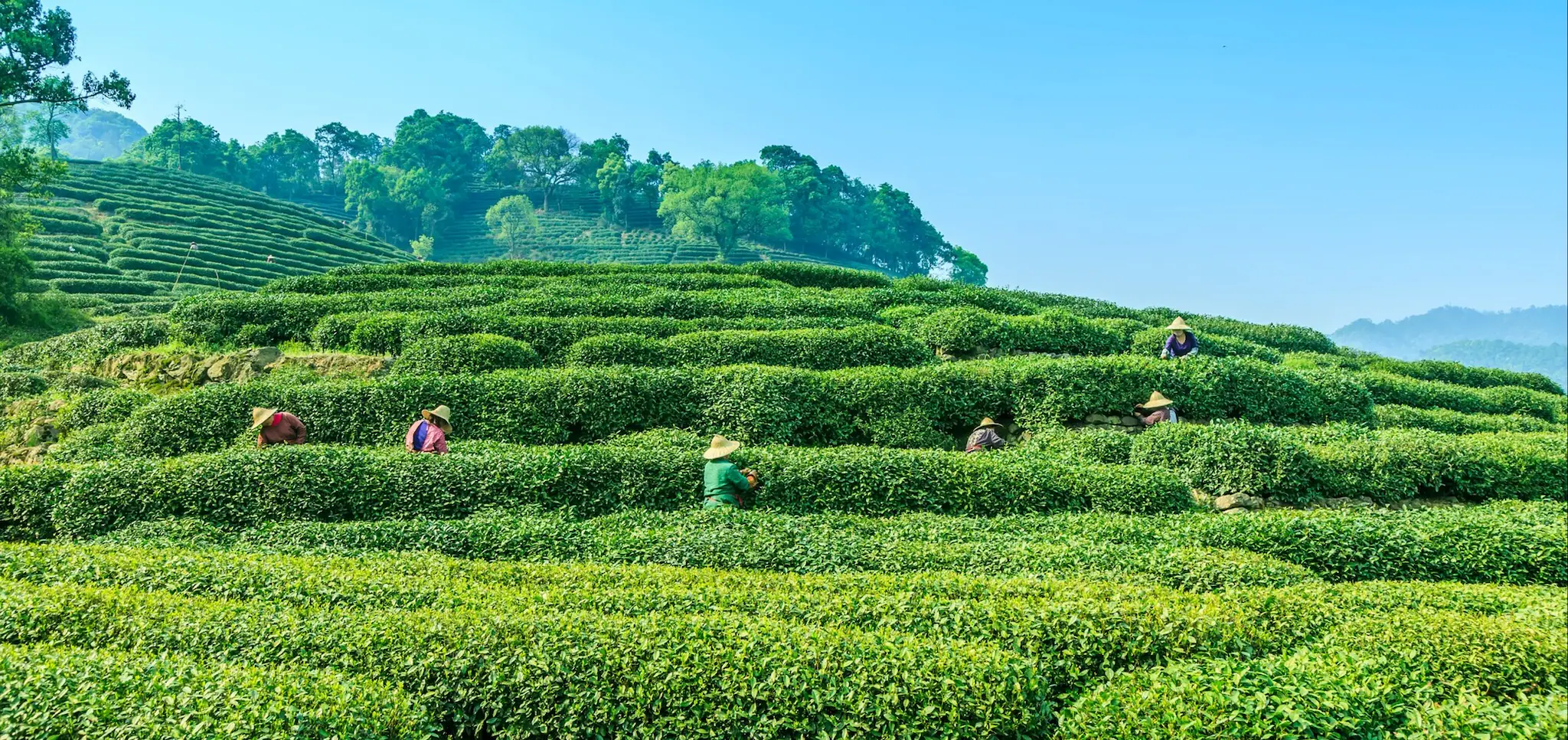
Araku Valley is India's most internationally celebrated specialty origin. Grown by tribal farming communities in the Eastern Ghats using traditional agroforestry — certified organic since 2007. The terroir is distinct: volcanic red soil, high altitude, a unique microclimate that produces coffees with remarkable clarity.
Natural · Washed
Araku Valley
Coffee grown by tribal cooperatives in the Eastern Ghats. Internationally awarded, naturally processed, and radically transparent about its origins and farmer communities.
Certified Organic
2007
Araku Valley was one of the first Indian origins to receive international organic certification — a benchmark for specialty coffee production in India.
Tribal Communities
The People Behind the Cup
Every bag of Araku represents the work of over 60,000 tribal farmers. Agroforestry techniques — intercropped with pepper, cardamom and forest trees — create the biodiversity that makes the flavour profile so complex.